



Found some old Pokémon cards, or just pulled a shiny card, and wondering what it is worth? A card’s price depends on several factors that combine. Here are the six to check, and how to estimate its real value.
1. Rarity
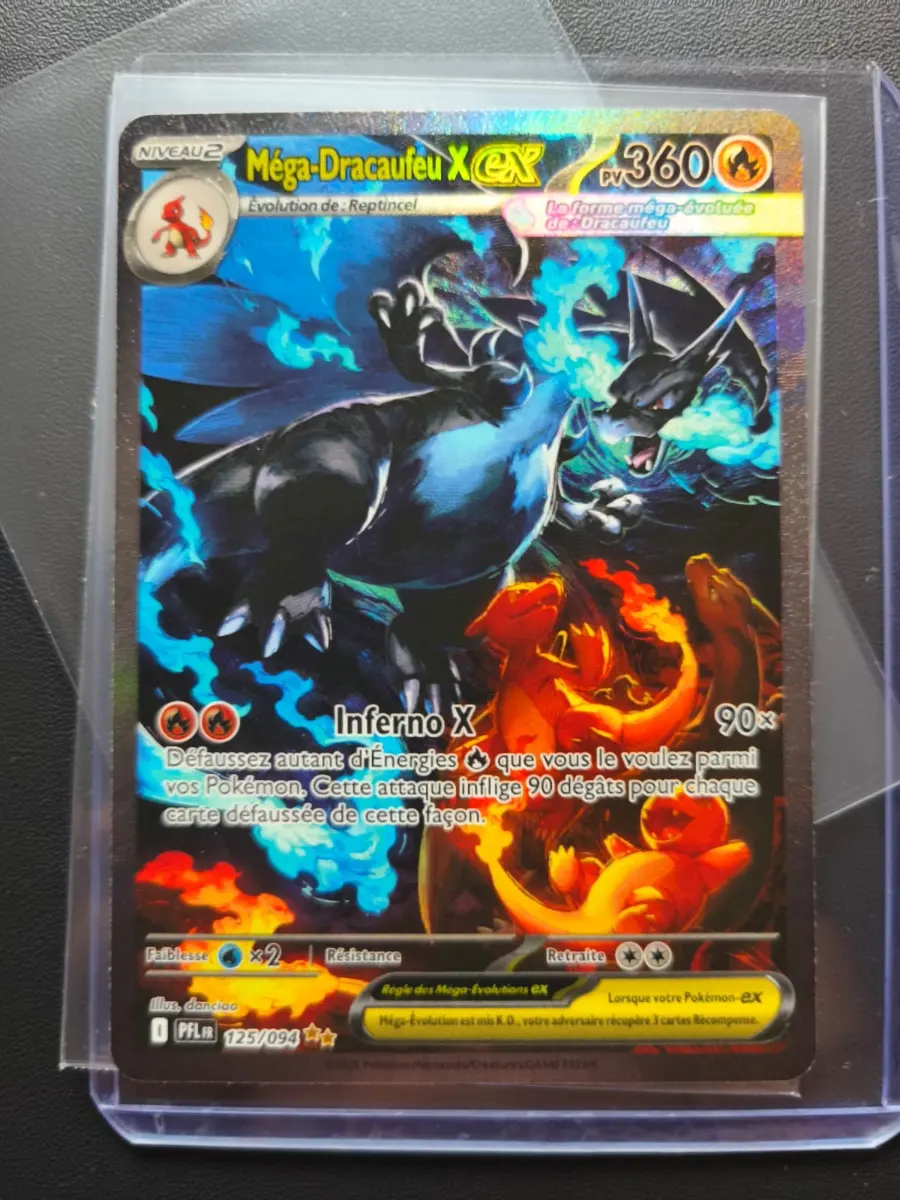
The symbol at the bottom of the card shows its rarity: a circle for common, a diamond for uncommon, a star for rare. The most sought-after cards are often special rarities, such as illustration rares, ex cards or cards whose number is higher than the set’s card count (for example 210/191).
2. The card’s condition
This is often the factor that moves the price the most. Look at the card in good light: whitened corners, damaged edges, scratches on the holo surface, creases or off-centring all lower the value. Cards are usually graded Mint, Near Mint, Excellent, Good, then damaged.
3. Language
The same card does not have the same value in French, English or Japanese. Depending on the card, one version or another is more sought after, so always compare with sales in the same language.
4. Edition and version
For older cards, a “1st Edition” stamp can multiply the value. For all cards, the version matters: a holo, reverse holo or promo card is not valued the same as the regular version.
5. Grading
A graded card has been assessed by a specialist company (such as PSA, CGC or PCA), which gives it a grade and seals it in a case. A grade of 10 can push the price well above that of an ungraded card. Grading has a cost: it is only worthwhile for cards in excellent condition and of high value.
6. Demand
Finally, the popularity of the Pokémon and the artwork matters a lot: cards featuring iconic Pokémon or much-loved artwork sell for more, for the same rarity.
How to estimate your card’s real price
- Identify the card precisely: name, set, number, language and version.
- Rely on completed sales, not on asking prices in current listings.
- Compare cards in the same condition and, if needed, with the same grade.
For a quicker answer, check our card values and prices. And if you want to sell, get a free buyback appraisal in two minutes: you then receive a precise, personalised offer. You can also come and show us your cards at the shop in Jacou, near Montpellier.